Jászság
| Strona | Autorzy | Nota |
| [1] | [2] | Ten artykuł został przetłumaczony z Wikipedii w języku angielskim. Treści pochodzące z Wikipedii w języku angielskim są oparte na licencji Creative Commons 3.0 – Uznanie Autorstwa – Na tych samych warunkach. Kopiując je lub tłumacząc, należy podać ich autorów i udostępnić na tych samych warunkach. |
|
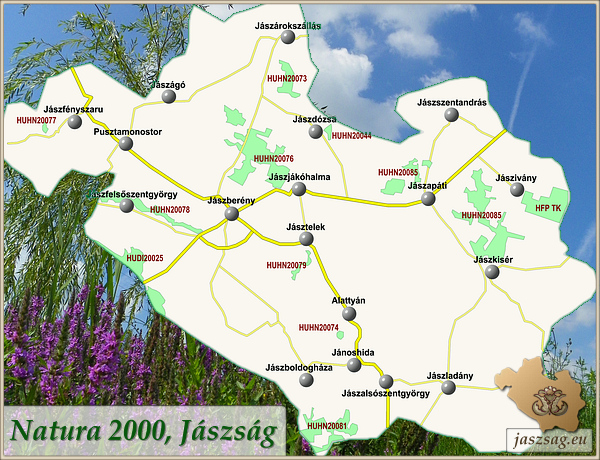
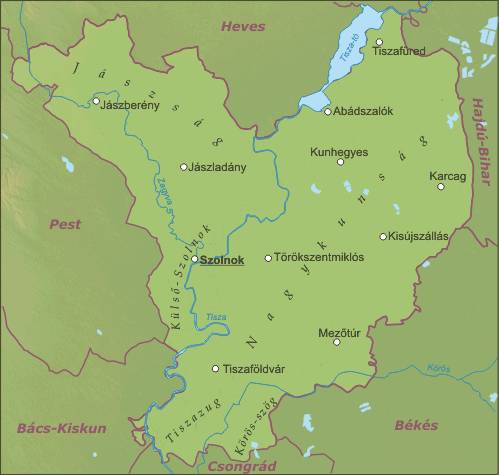
Plik:Jaszsag jazygia map.png Map of Jászság Plik:Jászság.gif Jászság within modern Hungary Plik:Hungary Jaszbereny church.jpg The main church in the center of Jászberény Plik:Library, Jászapati.jpg Jászapáti library Jasowie[1] - lud pochodzenie alańskiego (pokrewny współczesnym Osetyjczykom), a obecnie węgierska grupa etniczna zamieszkująca północne obszary Węgier, głównie rejon Jász-Nagykun-Szolnok, który nosi historyczną nazwę Jazygia. Jászság ()[2] is a historical, ethnographical and geographical region in Hungary. Its Szablon:Convert territory is situated in the north-western part of the Jász-Nagykun-Szolnok county. The main town in the region is Jászberény. Jászság is inhabited by the Jassic people, an Iranic ethnic group whose linguistic base is preserved by the Ossetians. The population of the region is around 85,000. Spis treściNazwaJászság means "Province of the Jász" (i.e. Province of the Jassic people). HistoriaJasowie przybyli do Europy w średniowieczu z północnych stoków Kaukazu. Początkowo zasiedlali wraz z Połowcami (Kumanami) stepy nad Morzem Czarnym: tereny dzisiejszej Mołdawii (od nich nosi nazwę miasto Jassy), Rumunii i Ukrainy. In ancient times, this area was settled by Celts, Dacians, Sarmatians, and Germanic peoples. It was part of the Dacian Kingdom of Burebista in the first century BC. In the 1st century AD, a Sarmatian tribe known as the Iazyges settled in this region. In the early Middle Ages, territory of present-day Jászság was part of the Hun Empire, the Kingdom of the Gepids and the Kingdom of the Avars. In the end of the 9th century, area was settled by the Hungarians and was subsequently included into the medieval Kingdom of Hungary. In the 11th century, territory of present-day Jászság was part of the Újvár County, while in the 12th century, it was divided between Hevesújvár and Pest counties. Plik:Jászkunság ca. 1800.svg Jászság (in orange) and the two other components of Jászkunság district, ca. 1800: Little Cumania in dark green, Greater Cumania in lime Na początku XIII wieku Jasowie jako sojusznicy Kipczaków na stepach nadkaspijskich stawiali opór podbojom mongolskim. Poniósłszy klęskę uciekli na Węgry, gdzie w 1237 król Bela IV udzielił im schronienia i osiedlił na terenach u stóp Mátry, w północnej części Międzyrzecza Dunaju i Cisy. Tereny te zostały ostatecznie zajęte przez Jasów po odwrocie Mongołów z Europy w 1242. Krainę tę nazwano Jazygią (węg. Jászság), jej stolicą stało się miasto Jászberény. The Mongol invasions of the 13th century and Tamerlane’s wars in the 14th century proved fatal to the Alan state and a group of Alans migrated with the Qipchaqs (Comani, Cumans) into Central Europe, settling in the medieval Kingdom of Hungary in the 13th century. The territory where they settled is to this day called Jászság - “the province of the Ossetians.”[3] They preserved their Iranian language and ethnic identity until the 15th century, but gradually adopted the Hungarian language and became assimilated into Hungarians.[3] However, they preserved their Jassic identity and their regional autonomy. Pod rządami Królestwa Węgier Jasowie utrzymali odrębność etniczną, wojskową i administracyjną. W zamian za szeroki samorząd dostarczali królom węgierskim bitnych i licznych wojowników. W XVI wieku Jazygia wraz z resztą środkowych Węgier dostała się pod panowanie imperium osmańskiego. Po odzyskaniu Węgier Habsburgowie poddali ludność Jazygii uciskowi podatkowemu, od którego kraina wykupiła się w 1745. Potem cieszyła się przywilejami do połowy XIX wieku. Until the Ottoman conquest in the 16th century, Jászság was an autonomous territory of the Kingdom of Hungary. Following the Battle of Mohács (1526), the region was firstly included into the Eastern Hungarian Kingdom and latter was annexed by the Ottoman Empire. During Ottoman administration in the 16th-17th centuries, territory of present-day Jászság was initially part of the Budin Eyalet and later part of the Eğri Eyalet. In the end of the 17th century, Ottoman Empire ceded the area to the Habsburg Monarchy and an autonomous region of Jászság was restored within the Habsburg Kingdom of Hungary. The region preserved its regional autonomy until 1876, when it was included into Jász-Nagykun-Szolnok County. After dissolution of the Habsburg Monarchy in 1918, region of Jászság became part of an independent Hungary. Plik:Hungary Jaszbereny church.jpg The main church in the center of Jászberény Plik:Library, Jászapati.jpg Jászapáti library Plik:Jaszsag jazygia map.png Mapa Jazygii (Jászság) Plik:Hungary Jaszbereny church.jpg Kościół w centrum Jászberény Język i tożsamośćJasowie przyjęli język węgierski w czasie okupacji tureckiej i ostatecznie zarzucili używanie rodzimego języka w XVII wieku. Do czasów współczesnych pozostały jego niezbyt liczne ślady w warstwie leksykalnej. Zachowali jednak świadomość odrębności etnicznej od Węgrów oraz własną kulturę ludową. Współcześnie do jasyjskiego pochodzenia przyznaje się około 105 tysięcy osób, mieszkających w Jazygii, głównie w okolicach Jászberény. Zobacz teżBibliografia
Źródła
External links
|